
Engineering partnership that makes your product buildable, repeatable, and more cost-effective — before it ever hits the floor.
“You can draw anything, but you can’t make everything.”
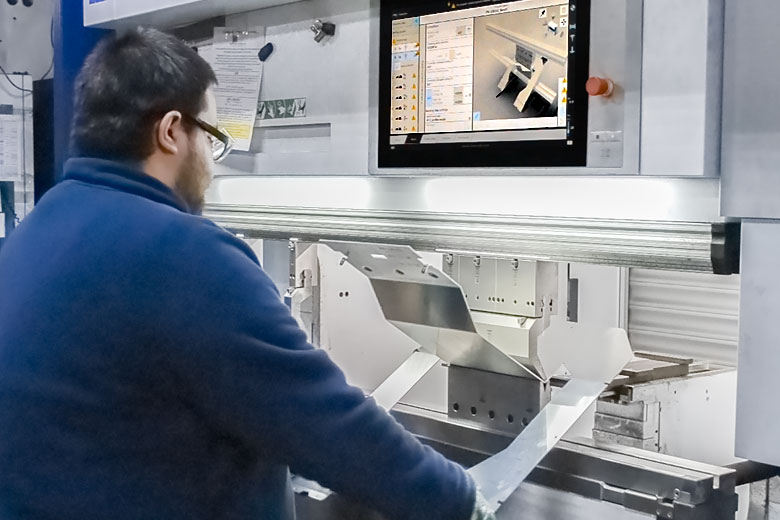
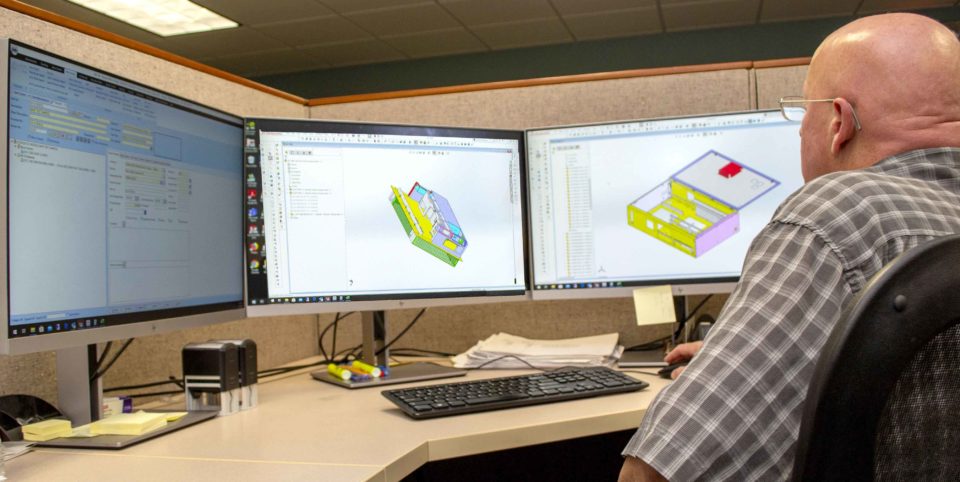
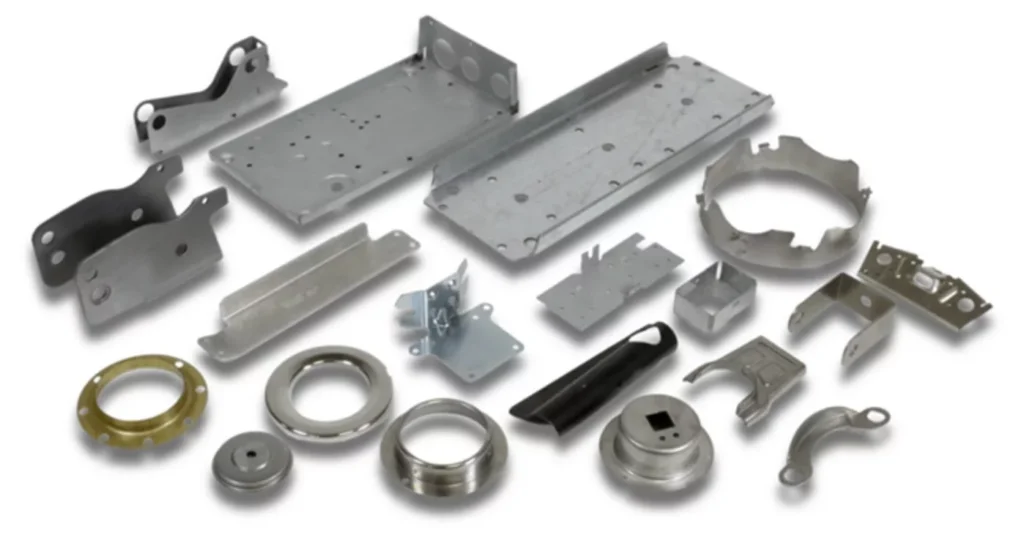
Jor-Mac’s engineering team works alongside your engineers to make sure a design is genuinely manufacturable — and manufacturable at the lowest sensible cost — without compromising what the product has to do. DFM isn’t a separate product you buy; it’s built into how we quote and engineer every job. Our team works from your models, but also brings real design experience, so we can contribute best practices from product development through production. That combination is what sets us apart from most custom fabricators.
When to Bring Us In
Concept, completed drawings, or already in production — earlier is better, but it’s never too late. We make general recommendations at the quote stage; the detailed, part-by-part DFM happens after receipt of order, when we break the model into its subcomponents and work through it with your engineering team. And because products change, we keep making recommendations across the product’s life cycle — folding improvements in when you revise.
What DFM Saves
- Material — confirming the thickness and type actually required, so you’re not paying for more than the application needs.
- Tooling — adjusting features so standard tooling can form them, avoiding costly special tooling.
- Labor and assembly — designing for how the part is actually built and fastened.
- Finish yield — designing for the powder coat process (drainage holes so wash fluid escapes, hang points so parts can be carried through the line) so the finish comes out right the first time.
The Tolerance Trap
The single most common — and costly — form of over-engineering we see is fabricated parts drawn to machining tolerances. Machined parts can hold roughly 0.0025″ to 0.005″; fabricated parts, with normal variation in material thickness and grain, typically hold 0.020″ to 0.030″. Holding machined-level tolerances on a fabricated part forces expensive special tooling on press brakes and turrets. We’ll ask why a tolerance was chosen and, where it isn’t truly required, open it up — the wider the tolerance, the more manufacturable and affordable the part.
Red Flags We Catch on Incoming Models
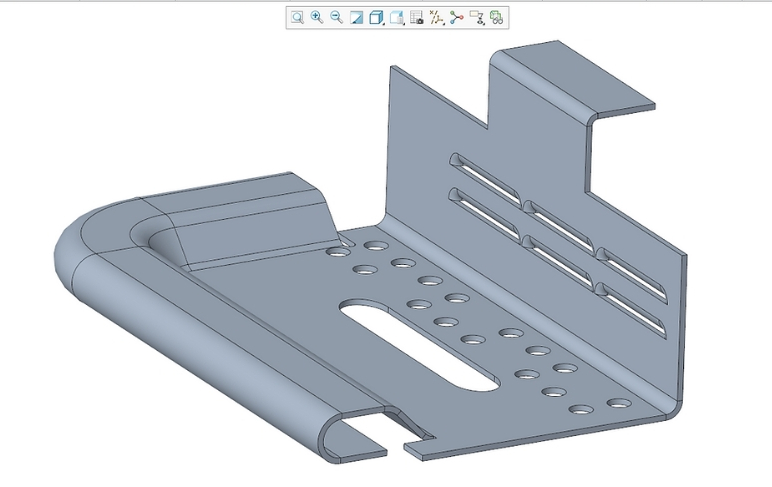
- Features that can’t physically be formed — no room to get the tool in and out of a flange
- Interferences between parts that require design changes before the product can be assembled
- Parts modeled “floating in space” that aren’t actually joined or supported
- Access panels too small to reach into — or no room for a socket to tighten a fastener
A Practical, Build-it-First Lens
We design for the person who has to build it. The most reliable way to catch a problem is to have whoever designed a part help assemble it the first time — if there’s no room for the tool, the nut doesn’t get tightened. That hands-on, manufacturing-first perspective is what keeps our designs buildable, and it’s why we push for generous access panels and tool clearance from the very first review.
Reverse Engineering and IP Protection
Bring us a legacy part with no drawing and we’ll reverse-engineer it — a service we provide for a fee. NDAs are a standard part of working with every customer, and as a custom fabricator the drawing always belongs to you: we build to your approved design.
Who DFM Helps Most
DFM pays off most for OEMs in automation, power distribution, and power conditioning — including data-center cooling and power-smoothing equipment — and for customers who want us involved collaboratively from conception, especially on outdoor-duty UL 3R enclosures. If you want a fabricator who will engineer with you rather than just quote your print, that’s exactly how we work.
Send us your model or print early — the sooner we’re involved, the more we can take out of your cost and your risk.
Quality & Certifications

SPC Charting, Mil. Thickness Monitoring, Cross-Hatch & MEK Testing

1000 Hour Salt Spray Corrosion Performance

IEEE Paint Coating Approval For Outdoor Enclosures, Standards 12.28 & C57.12.31

ISO 9001:2015 Certified
UL1332 Certification for Application of Organic Coatings for Outdoor Enclosures